A Growing Market in the Heart of Lincolnshire
We are committed to providing investors with the insight and clarity they need to make informed decisions. Our new series of local area guides begins with Lincoln; a thriving cathedral city that combines historical charm with strong modern fundamentals for property investment.
It’s also where our Managing Partner, Marcus, got started in property over a decade ago. What began as a small renovation project has grown into a track record of successful investments across the area. That hands-on experience gives us a clear understanding of what works locally – and what to avoid.
This guide explores Lincoln’s current housing market trends, average house prices, rental yields, top-performing areas, and key upcoming developments that are shaping the city’s future. Whether you are a first-time investor or looking to expand your portfolio, Lincoln offers a diverse range of opportunities worth exploring.
Overview of Lincoln
Located in the heart of Lincolnshire, Lincoln is a growing city with a population of over 110,000. The skyline is dominated by its iconic Gothic cathedral, yet the city also boasts a vibrant cultural and academic scene. It is home to both the University of Lincoln and Bishop Grosseteste University, which contribute significantly to the local economy and support consistent rental demand.
The city benefits from a mix of stable public sector employment, particularly in healthcare and education, alongside a growing private sector supported by engineering, tech, and retail.
Lincoln’s compact layout, reliable transport links, and expanding infrastructure make it an increasingly attractive location for renters and property investors alike.
Housing Market Trends in 2025
As of mid-2025, Lincoln’s housing market remains resilient. Demand for homes continues to outpace supply in certain sectors, particularly in the affordable and rental segments. House prices have seen moderate annual growth, making it an attractive, yet accessible, alternative to nearby cities like Nottingham or Sheffield.
Key figures:
- Average house price (2025): £217,000 (up 3.1% YoY)
- Average flat/apartment price: £128,000
- Average terraced house price: £180,000
- Average semi-detached house price: £220,000
- Average detached house price: £315,000
While capital appreciation is steady, the real opportunity lies in buy-to-let, supported by strong rental demand from students, young professionals, and families alike.
Annual price growth has averaged 3.1% over the past year, with some areas seeing stronger upward movement due to regeneration and increased demand.
Rental Demand and Yields
Lincoln offers consistently strong rental demand, driven by students, professionals, NHS staff, and RAF personnel. This demand supports a range of investment strategies, including single lets, student HMOs, and short-term serviced accommodation.
Typical rental yields in 2025:
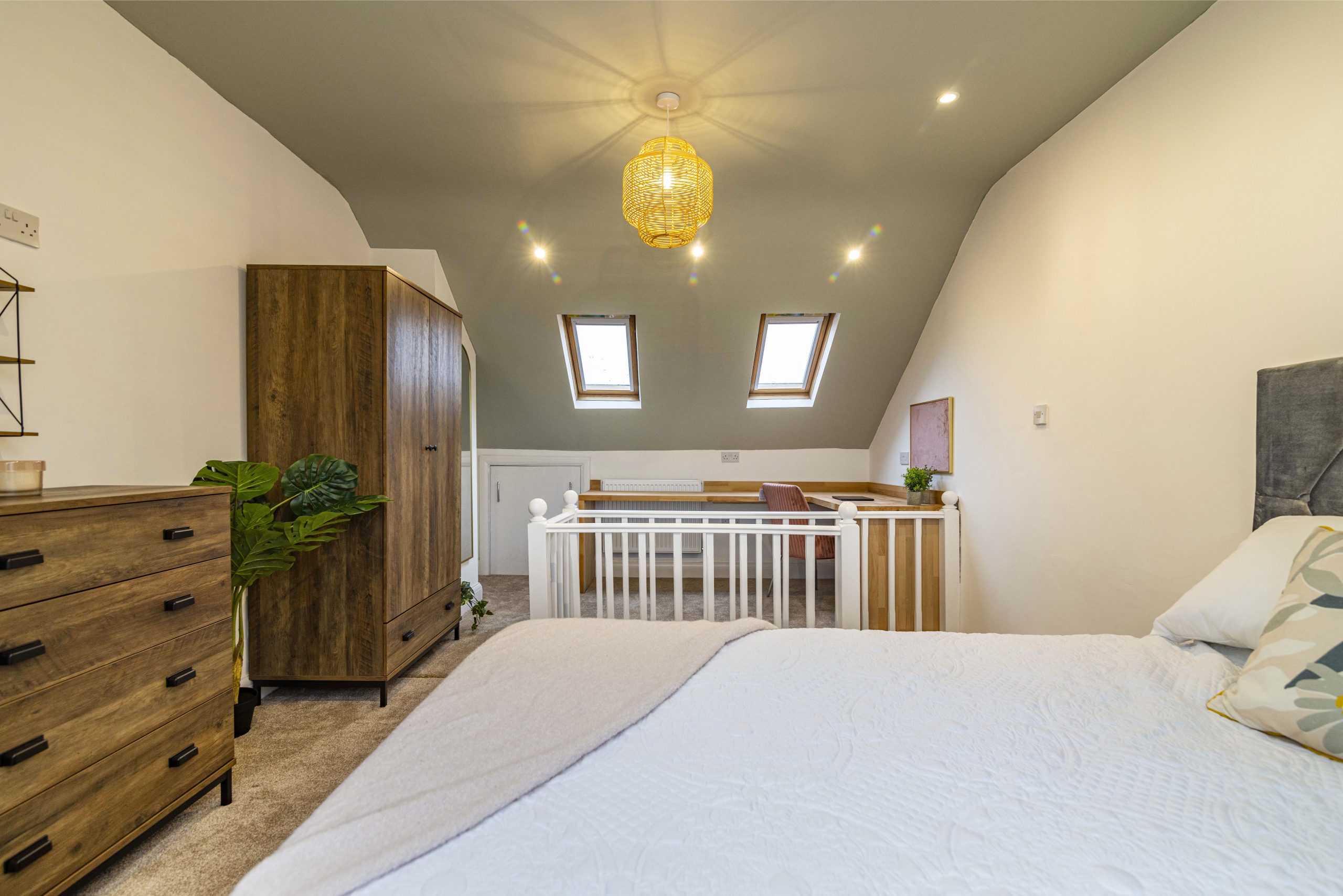
- HMOs (student lets): 8% to 10%
- Two-bedroom flats: 5.5% to 6.5%
- Three-bedroom family homes: 5% to 6%
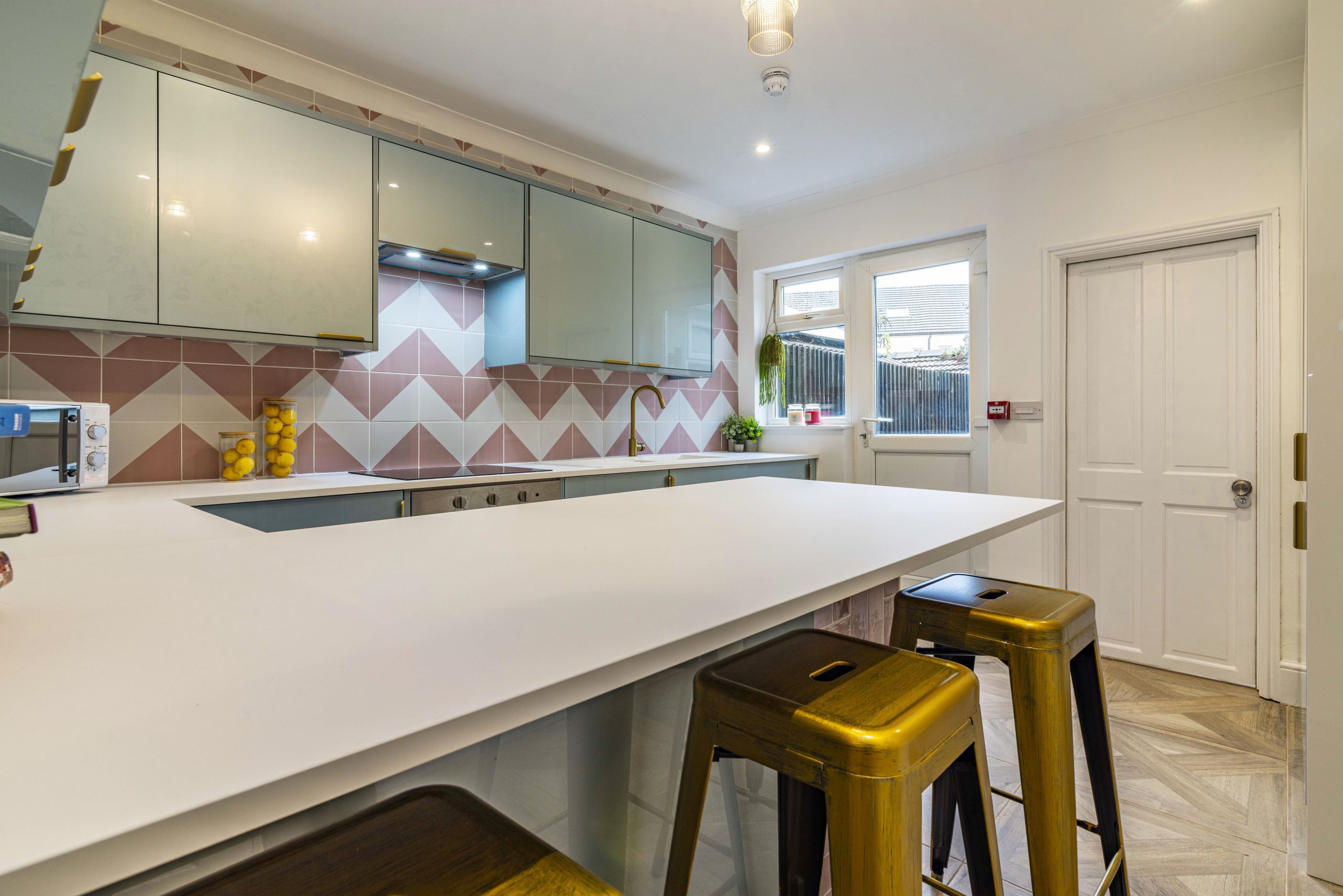
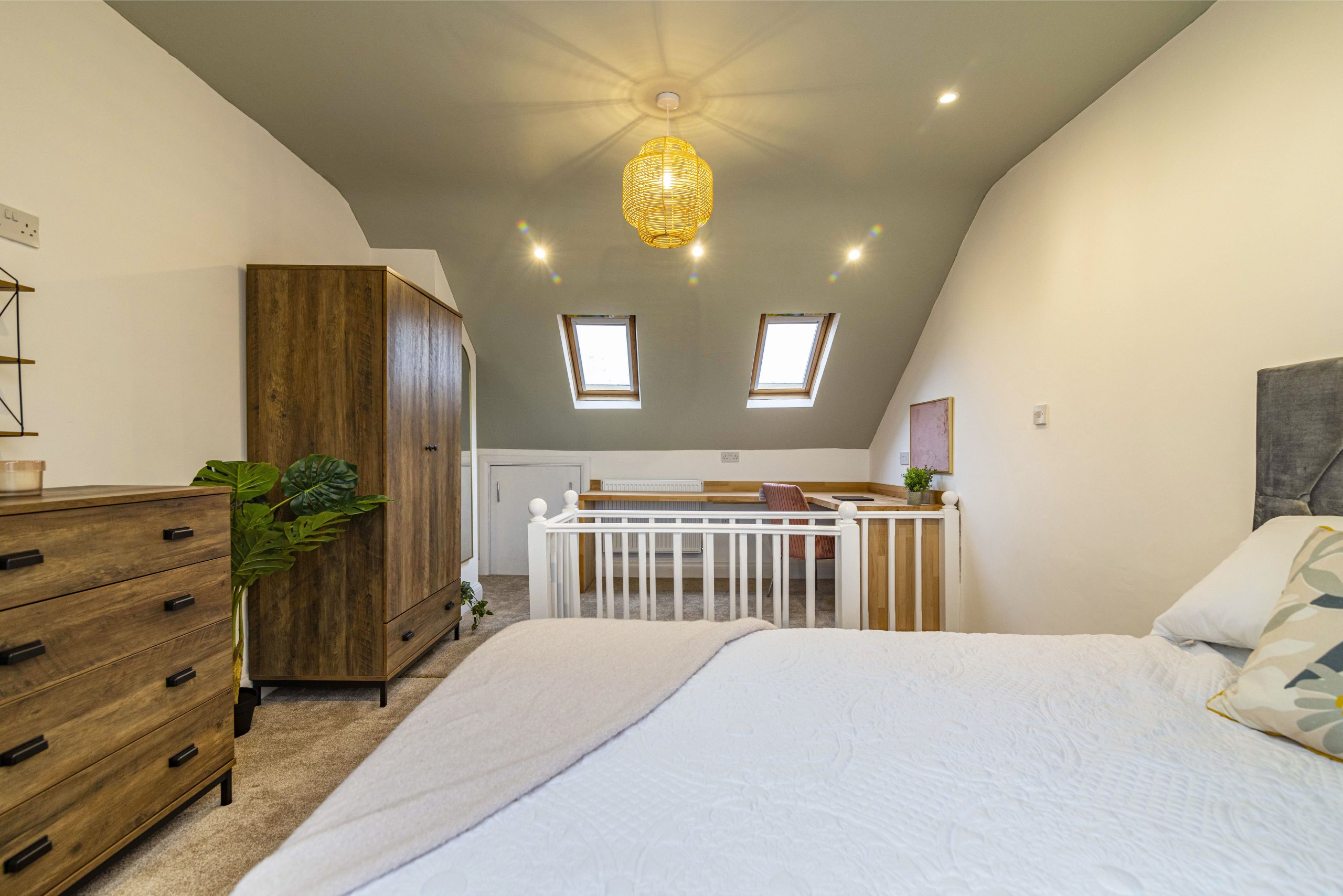
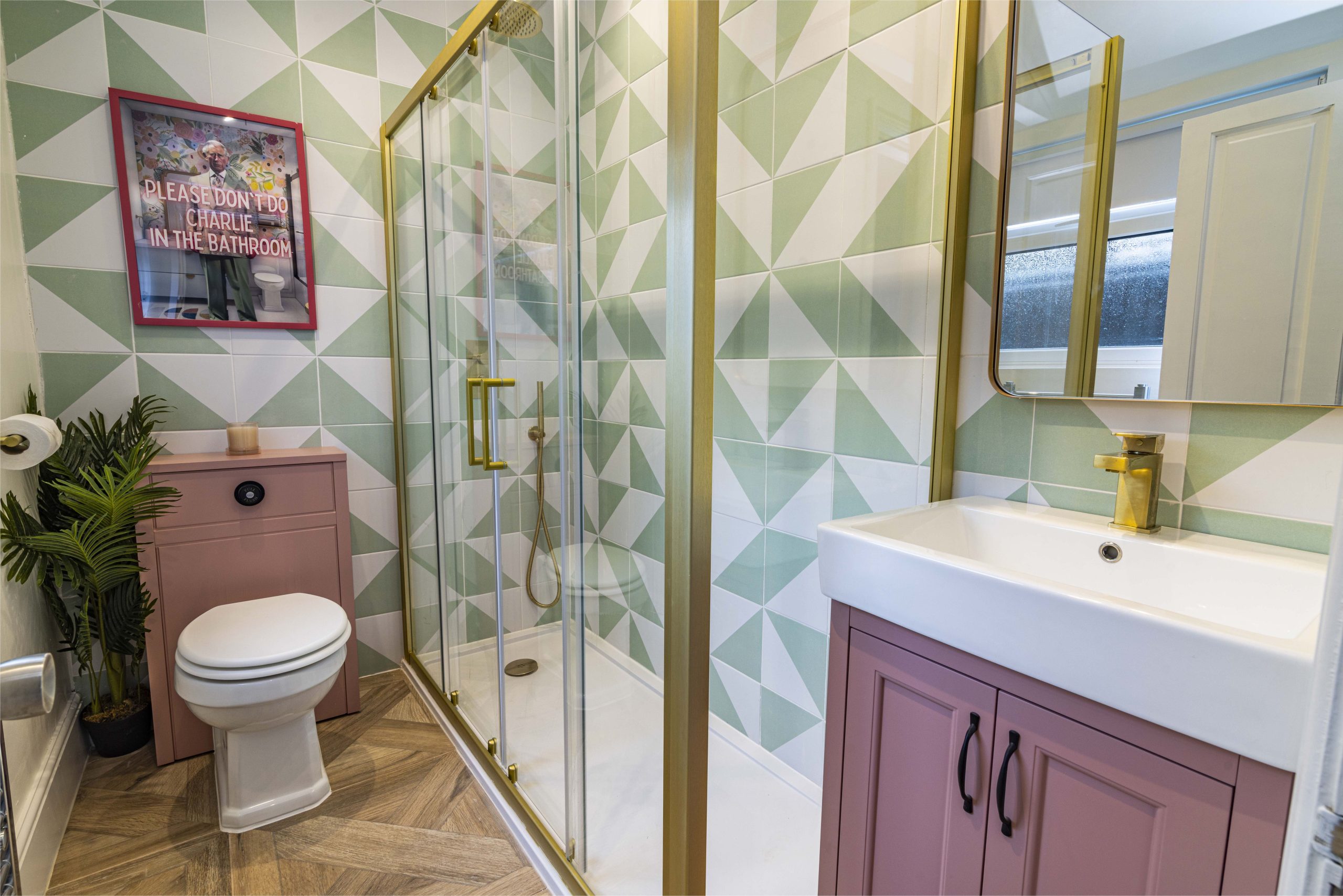
Well-presented properties close to the University of Lincoln, Lincoln County Hospital, or the city centre generally let quickly and command strong rental income.

Key Areas for Investment
High Street and Sincil Bank
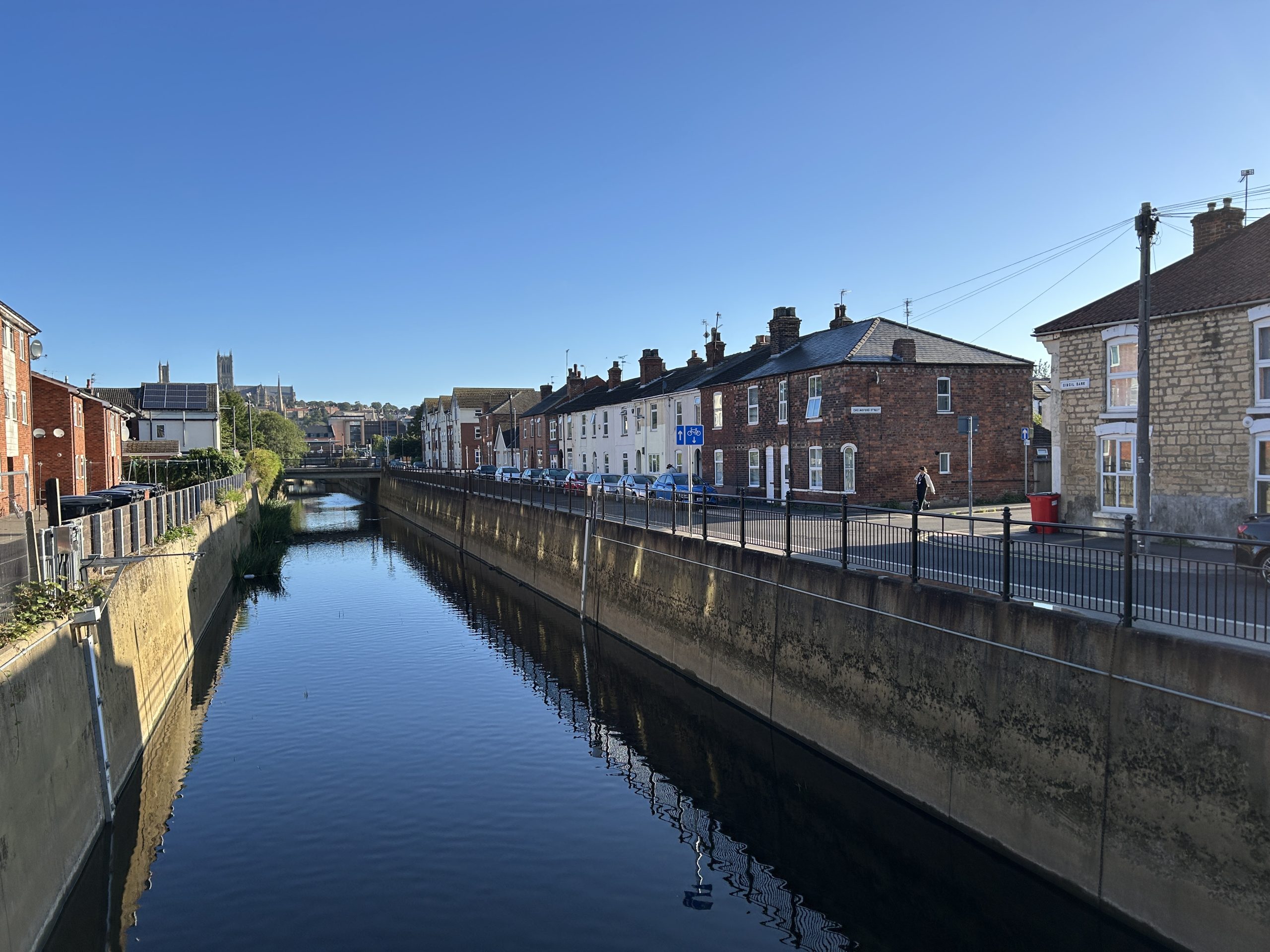
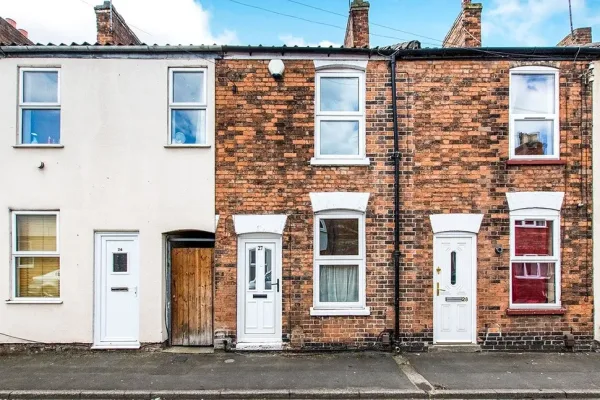
Located just south of Lincoln’s city centre, the High Street and Sincil Bank area offers a mix of traditional Victorian terraces and shopping locations. The area benefits from close proximity to the University of Lincoln, Lincoln Central Station, and city centre. A multi-phase regeneration scheme is improving public spaces, housing quality, and infrastructure, increasing tenant demand and rental values.
Best suited for: Student HMOs, professional lets, value-add buy-to-let, flips
Example streets: Sincil Bank, Portland Street, Scorer Street, Chelmsford Street
City Centre
The city centre is a prime location for professionals and students. It offers excellent transport connections, nightlife, and access to amenities. Modern flats and apartments here attract high rental demand and achieve premium prices per square foot.
Best suited for: Young professionals, students, short-term lets
Example streets: Brayford Wharf, The Strait, Sincil Street
West End
One of the most popular areas for student HMOs, the West End lies within walking distance of the University of Lincoln. Victorian terraces dominate the housing stock and perform well with student tenants. Investors should note that this area, like the rest of Lincoln, falls under Article 4, restricting the development of new HMOs without planning permission.
Best suited for: Student HMOs
Example streets: Carholme Road, West Parade, Hewson Road
Boultham and Boultham Moor
These adjacent neighbourhoods offer strong value for money and a reliable tenant base. Properties here are traditional terraced or semi-detached homes, often larger-than-average which appeal to young families and working tenants. The area is well served by local schools and amenities.
Best suited for: Affordable family lets, value-add refurbishment
Example streets: Boultham Park Road, Boultham Avenue, Moorland Avenue
North and South Hykeham
Situated just outside Lincoln’s centre, these suburban areas are popular with families and professionals seeking more space. They offer good local schools, retail parks, and transport links. Property here tends to be newer-build and larger in size.
Best suited for: Long-term family tenants, capital growth
Appeal: Lower yields but strong resale demand and growth potential
Uphill Lincoln and Bailgate
The Uphill and Cathedral Quarter area is steeped in history and architectural character. Properties here command a premium but are in demand from both long-term residents and tourists. The area also lends itself well to high-end short lets and executive rentals.
Best suited for: Premium lets, capital appreciation, serviced accommodation
Example streets: Bailgate, Newport, Eastgate

Major Developments and Regeneration
Several significant developments are underway across Lincoln, improving its infrastructure and livability, and boosting its long-term appeal for investors.
Lincoln Transport Hub
A £30 million project that includes a modern bus station, multi-storey car park, and improvements to the rail station, helping to better connect Lincoln to regional and national destinations.
University of Lincoln Expansion
The university continues to invest in teaching and accommodation facilities, enhancing its reputation and drawing a growing student population.
Western Growth Corridor (Swanpool)
This landmark regeneration scheme is set to deliver over 3,000 new homes, schools, green spaces, and commercial units. Located west of the city centre, it is expected to significantly boost the surrounding property market.
Business and Retail Investment
The development of business parks and commercial infrastructure is drawing employers to the city and creating job opportunities, which supports rental demand and local spending.
Why Lincoln Stands Out for Investors
- Strong and varied rental demand from students, professionals, and families
- Competitive entry-level pricing compared to other regional cities
- Consistently high rental yields in the HMO and affordable family let sectors
- Long-term capital growth supported by regeneration and infrastructure projects
- Diverse investment strategies are viable, including student lets, single lets, and short-term rentals
Work With Taylor Ross
At Taylor Ross, we specialise in sourcing, letting, and managing investment properties across Lincoln and the East Midlands. Whether you’re seeking a high-yield HMO, a hands-off family let, or a long-term growth strategy, we can help you identify and manage the right opportunities.
Browse Related Articles:
Explore more insights and tips on property investment. Dive into our articles to help you make more informed decisions in the real estate market.